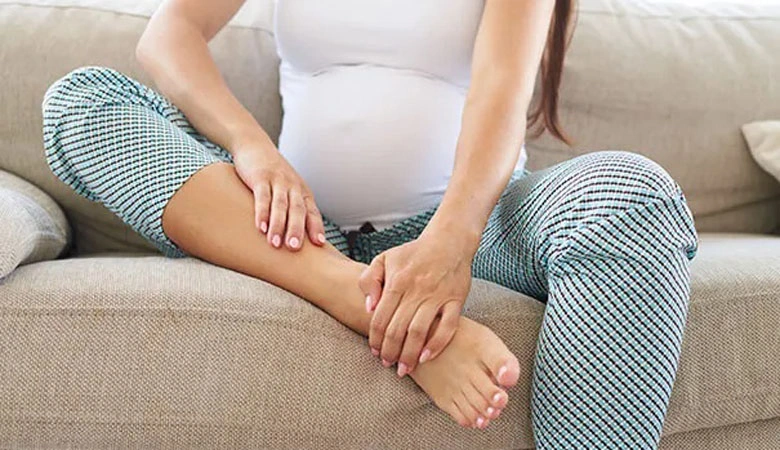
The difference between an annoying midnight calf and a one-sided warning sign
Aching Legs in Pregnancy: Common Causes and DVT Red Flags

Quick answer: aching legs can come from night cramps, gradual swelling, varicose veins, restless legs, muscle strain or pain travelling from the back. But pain, tenderness, heat, redness or swelling that mainly affects one leg needs immediate advice from your midwife, doctor, maternity unit or NHS 111 because it could be a deep vein thrombosis (DVT). Sudden breathlessness, chest pain, coughing blood, collapse or feeling severely unwell is a 999 emergency.
Pregnancy can make legs feel heavy, twitchy, crampy and generally as though they have been doing unpaid overtime. Most leg discomfort is not a blood clot. The important bit is not to label every ache “normal” before checking the pattern.
Where is it? One leg or both? Is the muscle suddenly hard, or is there a constant tender area? Is swelling gradual or sudden? Does moving help an irresistible urge to move, or make one-sided pain worse? Those clues cannot diagnose the cause, but they help you choose between a stretch, a routine appointment and urgent assessment.
First: when leg pain needs urgent help
Possible DVT: seek advice immediately if one leg becomes painful or tender, red or darker than usual, hot, heavy or swollen. Do not wait overnight to see whether it stretches out and do not massage a leg while a clot is suspected.
Pregnancy raises the risk of venous thrombosis, and the risk is highest just after birth. RCOG estimates DVT or pulmonary embolism occurs in about 1 to 2 in 1,000 people during pregnancy or the first six weeks after birth. It remains uncommon, but it can happen in any trimester—including the first three months.
Call 999 if you have sudden unexplained difficulty breathing, chest pain or tightness, cough up blood, collapse or feel severely unwell. A clot can move to the lungs and cause a pulmonary embolism (PE). Prompt diagnosis and treatment reduce that risk.
Risk is higher with a previous clot or thrombophilia, a close family history, a BMI above 30, age over 35, smoking, severe varicose veins, multiple pregnancy, pre-eclampsia, hospital admission, surgery, a caesarean birth, severe infection, dehydration or reduced mobility, and travel lasting four hours or more. This is not a score to calculate alone: your maternity team should assess risk during pregnancy and after birth. Severe vomiting can cause dehydration and inactivity, so our reviewed morning-sickness guide explains when it needs medical help.
What different types of leg discomfort feel like
| Pattern | What it can feel like | What to do |
|---|---|---|
| Muscle cramp | Sudden sharp pain, usually in a calf or foot; the muscle may feel hard; often at night and eases within minutes. | Stop, gently pull the toes towards the ankle, move the foot and rub the cramped muscle. Ask for help if it lasts over 10 minutes, keeps disturbing sleep or comes with numbness or swelling. |
| Ordinary pregnancy swelling | Gradual puffiness in both ankles or feet, often worse later in the day and later in pregnancy. | Gentle movement, comfortable shoes and resting with feet supported may help. Sudden swelling or other warning symptoms need urgent advice. |
| Varicose veins | Visible bulging or twisted veins with aching, heaviness, itching or swelling. | Speak to a GP, midwife or pharmacist about correctly fitted compression stockings. A hard, painful vein or sudden one-sided change needs assessment. |
| Restless legs | A strong urge to move, with tingling, throbbing, itching or pain, usually worse at rest and at night; movement temporarily helps. | Daytime activity, stretching, walking, massage or warmth may help. See a GP if sleep or mental health is affected; low iron can be one cause. |
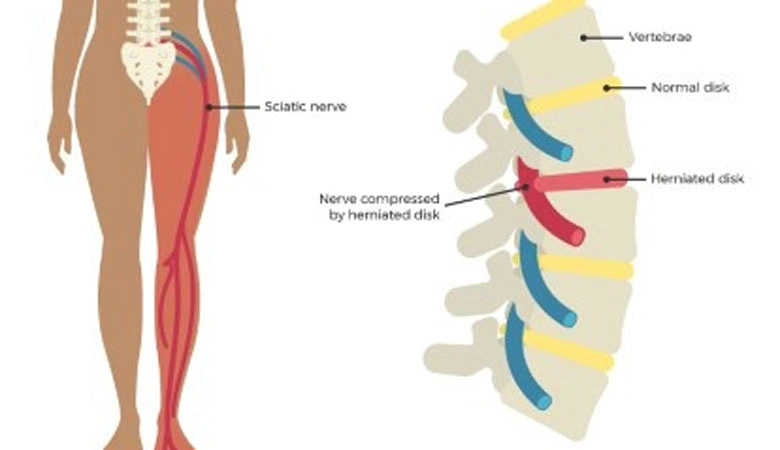
| Sciatic or nerve pain | Sharp, burning or shooting pain from the back or buttock down a leg, sometimes with tingling or numbness. | Ask a midwife or GP about assessment and obstetric physiotherapy, especially if severe or persistent. New weakness or loss of bladder, bowel or saddle sensation is an emergency. |
| Possible DVT | Usually one-sided pain or tenderness with heat, redness or colour change, heaviness or swelling; sometimes pain is the main sign. | Seek immediate medical advice. Do not massage it or assume it is a cramp. |
The NHS pregnancy guide gives the wider health context. If you are still planning rather than pregnant, NHS trying to get pregnant is the better route for preconception advice.
Why legs can ache during pregnancy
There is rarely one neat cause. Blood volume increases, hormones affect veins and tissues, and the growing uterus can slow the return of blood from the legs. Feet and ankles may hold more fluid. Posture and gait change, muscles work differently, and more time standing or sitting can add heaviness. This is physiology, not a verdict on fitness or body size; our guide to weight gain in pregnancy explains why one target does not suit everybody.
Night calf cramps are common, especially later in pregnancy, and their exact cause is often unclear. Dehydration can contribute to cramps in some people, but pale urine is not a guarantee that every mineral level is perfect and a glass of milk is not a medical treatment.
Restless legs is a different pattern: an urge to move during rest, usually worse at night. Pregnancy and iron-deficiency anaemia can be associated with it. A clinician may check your blood and recommend iron if levels are low. Do not assume every crawling sensation means magnesium deficiency.
Pain may also start in the back, pelvis or hips and travel down a leg. Pelvic heaviness, pressure or a vaginal bulge has a different assessment; our vaginal prolapse guide explains what to report. Regular waves of tightening, backache, fluid loss or a show may point towards labour rather than an isolated sore calf—see the guide to signs of labour and when to call.

What to do during a calf cramp
- Stop what you are doing and steady yourself so you do not fall.
- Straighten the leg if comfortable and pull the toes firmly up towards the ankle.
- Move the ankle and gently rub the cramped muscle.
- Walk a few steps once the spasm releases, if you feel steady.
- Use comfortable warmth afterwards if that feels soothing.
The NHS suggests regular ankle movements: bend and stretch each foot up and down 30 times, then rotate it eight times each way. These are small circulation exercises, not a promise that cramps will vanish. Gentle calf stretching may reduce frequency but does not completely prevent every episode.
Get advice if cramps regularly wake you, last longer than ten minutes, keep returning, or come with swelling or numbness. A repeated symptom deserves a proper history rather than an ever-growing pile of supplements.
Use the NHS pregnancy guide alongside the symptom-specific red flags here; a general page should never talk you out of urgent help for a swollen, painful leg.
Everyday relief for heavy or aching legs
- Change position: avoid being still for long stretches. Short, comfortable movement breaks are more realistic than a compulsory 30-to-45-minute walk twice a day.
- Use gentle ankle movements: flex, point and circle the feet, especially after sitting.
- Rest with feet supported: raising the feet can ease ordinary swelling; they do not need to be forced dramatically above the heart.
- Choose roomy, supportive footwear: swelling can make a previously comfortable shoe surprisingly argumentative.
- Try warmth for cramp or restless legs: a warm bath or heat pad may soothe, but avoid temperatures that make you overheated or faint.
- Hydrate normally: drink regularly, especially in heat, illness or after activity. Seek help for vomiting that prevents fluids staying down.
- Ask about compression: properly chosen compression stockings can help some people with varicose veins or swelling, but the type and fit matter and they are not suitable for everyone.
Most uncomplicated pregnancies benefit from activity. Current NHS guidance suggests aiming for 150 minutes of moderate activity a week, broken into manageable pieces; beginners can start with around 10 minutes and build gently. That is a population goal, not an order to exercise through pain, bleeding, dizziness, breathlessness, contractions or a suspected clot. Ask the maternity team for individual advice if pregnancy is complicated or activity triggers symptoms.
If body changes or poor sleep are wearing you down, our guide to pregnancy mental health and support is practical rather than relentlessly cheerful. Your discomfort does not need to become a crisis before you mention it.
Sleep position and restless legs
There is no rule that every pregnant person must remain on the left side all night to treat aching legs. After 28 weeks, NHS guidance is to go to sleep on your side, either left or right, because going to sleep on the back has been linked with a higher stillbirth risk. If you wake on your back, simply roll onto your side; do not panic.
A pillow between the knees or under the ankles can make side sleeping more comfortable. If restless legs is the problem, try daytime exercise, a regular sleep routine, a warm bath, stretching or walking during symptoms, and avoid caffeine after midday. See a GP if it stops you sleeping or affects your mental health. Iron treatment is for confirmed or clinically assessed deficiency, not for a self-diagnosed hunch.
Early pregnancy has its own untidy collection of symptoms. If you are trying to work out what is typical around a particular point, our evidence-checked guides to six weeks pregnant, eight weeks pregnant and twelve weeks pregnant keep dates in context without using them to dismiss a red flag.
Check NHS medicines in pregnancy before taking a painkiller, magnesium product or herbal remedy, then confirm the exact dose and product with a pharmacist, midwife or GP.
Painkillers, magnesium and other supplements
Do not start magnesium, calcium, iron, quinine, herbal remedies or high-dose vitamins just because leg pain appeared. Evidence for treating pregnancy cramps with a supplement is not a licence to guess the cause or dose. The NHS recommends folic acid and vitamin D at defined stages and iron when a clinician identifies a need; supplements containing vitamin A should be avoided in pregnancy.
Paracetamol is generally the first-choice painkiller in pregnancy when used as directed and when suitable for you. Ibuprofen and other anti-inflammatory medicines are not a casual substitute and should be avoided unless a doctor or pharmacist advises them. Check the packet, other medicines and your personal conditions with a pharmacist, midwife or doctor.
Product-specific advice matters. Our reviewed articles on Vicks in pregnancy and Gaviscon in pregnancy show why a familiar brand name does not answer which ingredient, dose or formulation is appropriate.
Other warning signs not to file under “aching legs”
- Sudden swelling of the face, hands or feet with a severe headache, visual changes, pain below the ribs, vomiting or feeling very unwell needs immediate maternity advice because of possible pre-eclampsia.
- Loss of feeling in one or both legs, the buttocks or genitals, new major weakness, or loss of bladder or bowel control needs emergency assessment.
- Fever, a hot joint, spreading redness, a wound or inability to bear weight needs medical assessment rather than a pregnancy-cramp label.
- Bleeding, fluid loss, regular contractions or reduced baby movements follows the maternity unit’s urgent pathway, even if your legs ache too.
Anterior placenta can change where movement feels strongest but is not an explanation for reduced movement; our anterior placenta guide explains why you should still contact maternity triage about a change. If vaginal bleeding is part of the picture, use our guide to bleeding in early pregnancy and the local maternity advice route rather than treating the leg alone.
Common questions
Are aching legs an early pregnancy sign?
General aches can happen for many reasons and cannot confirm pregnancy. Use a pregnancy test at the right time; our guide to early pregnancy signs and testing separates clues from proof. One-sided hot, swollen or tender leg symptoms need urgent advice regardless of gestation.
Is it normal for only one leg to hurt?
A muscle strain or nerve pain can affect one side, but DVT also usually affects one leg. If pain comes with tenderness, heat, redness or colour change, heaviness or swelling—or you cannot explain it—seek immediate professional advice.
Can I massage an aching calf?
Gentle rubbing may help a clear, brief muscle cramp after it releases. Do not massage a persistently painful, swollen, hot or red one-sided leg while a clot is possible. Get assessed.
Does magnesium stop pregnancy leg cramps?
Do not assume a magnesium deficiency or self-prescribe a high dose. Discuss repeated cramps with a midwife, GP or pharmacist, particularly if they disturb sleep or occur with other symptoms.
Will the aches go after birth?
Many pregnancy cramps, swelling and restless-leg symptoms improve after birth, but clot risk is actually highest just after delivery and remains raised during the first six weeks. New one-sided symptoms still need urgent advice.
The bottom line
For a short night cramp, stretch the foot towards the ankle and use gentle movement. For gradual two-sided heaviness, change position, support the feet and ask about correctly fitted compression if needed. For a strong urge to move at night, think restless legs and ask about iron only through proper assessment. For one-sided pain, heat, redness, tenderness, heaviness or swelling, get immediate advice; for breathlessness, chest pain, coughing blood or collapse, call 999.
Sources reviewed
Editorial check: KidsCo, 6 August 2026. This guide was rebuilt against current NHS and RCOG advice on cramps, swelling, varicose veins, restless legs, exercise, supplements, pain relief and venous thrombosis. It is general information, not an individual diagnosis or treatment plan.
- RCOG: DVT and pulmonary embolism in pregnancy and after birth
- NHS: deep vein thrombosis
- NHS: cramp and common pregnancy health problems
- NHS: swelling in pregnancy and pre-eclampsia warnings
- NHS: varicose veins and compression stockings
- NHS: restless legs syndrome
- NHS: exercise during pregnancy
- NHS: pregnancy vitamins and supplements
- NHS: ibuprofen and pain relief in pregnancy