10 Ways to Throw a Fun Co-ed Baby Shower
- Fun Co-ed Baby Shower
-
- UPDATED APRIL 06, 2024
by Tasha Mayberry
430 shares
These days, including dad in the baby shower fun, is a cool thing to do! I personally think it’s great because, without them, we wouldn’t have anyone here expecting our soon-to-come little one. So today I’m sharing these 10 Ways You Can Throw A Co-Ed Baby Shower That’ll Be guarantees lots of laughs and memories!!
Baby showers are an essential tradition for new parents. But if your dad doesn’t want to participate, it’s best not to force him into it!
10 Ways to Throw a Fun Co-ed Baby Shower
1. Figure out the baby shower guest list together
It is always so much fun to plan a co-ed baby shower. My husband and I are actually in the middle of planning our second one (although this time it will be smaller), but one thing that makes us really happy is deciding who can come guest list! We enjoy figuring out how many people we need for both dad’s side as well as mom’s friends/family members – after all, they’re going off into fatherhood together, too, right?! Once you get your final number set, narrow down those invitees from there by assessing whether or not their presence would make an already great event even better…
2. Design your baby shower invitation together
Well, it’s time to get creative! You can use pre-made invitations or opt for an online invitation service like Evite. Dad-to-be will love looking through all of these cute themes in order find their perfect match (Etsy has some really great ones).
The anticipation is building! You’re both feeling so excited and ready to share this special day with others who will soon become an important part of your life. The only question left unanswered: which option should you go for?
Some co-ed baby shower theme/invitation ideas to consider:
- Woodland Theme
- Seasonal Themes
- Neutral themes
- Baby boy exclusive themes
- Baby girl exclusive themes
- Animal themes (sea animals, farm animals, wild animals, zoo animals, etc.)
3. Plan to have LOTS of food!

When planning a baby shower, it’s important to consider food selection. You don’t want the hostess going into this event frustrated with not enough options or dishes available for everyone who’s coming! We knew our guests loved pizza, so that was an easy choice- plus, there are always fresh veggies & fruit appetizers which make any meal feel like they’ve prepared something exceptional just for you (and your appetite).
I hope these tips help ensure smooth sailing when hosting future get, togethers…no matter how big/small.There are plenty of options to consider when it comes to your pizza delivery. For example, depending on how much you have in mind and what kind of style suits you best will determine which one is right!
- Grill up some hotdogs and burgers
- Offer brunch (if it’s earlier in the day)
- Have a company cater to the event (taco truck, fast food catering, pizza truck, etc…)
4. Choose to have fun co-ed baby shower games
Make sure you have a lot of fun games for the guys and gals at your co-ed baby shower. What’s more enjoyable than competing against each other in goodies? It’ll really make them stand out from all those boring showers where everyone just sits around playing cards or dominoes!
Try out these fun games to get in the mood. You won’t need all of them, so pick two or three and make your own version!
- Bobbing for Pacifiers: This is a fun game for all ages! Get some shallow bins and fill them with water. Put in about 20 pacifiers, then let guests have 30 seconds to bob out as many of those little guys they can find before putting them back under the surface or giving up entirely (depending on how long your party lasts). You want around 5-10 bins per person playing, so there’s no cross-contamination between participants.
- Baby Changing Race: Have a baby shower and play “Dress Up The Baby” to test who can dress the dolls in diapers and clothes without dropping them or holding them awkwardly. This game is hilarious!
- Guess the Baby Food: The best way to get your guests involved is by smearing different flavor baby foods onto a diaper and then passing the diapers around. The person who guesses correctly gets points!
- Baby Bottle Drinking Contest: The winner of this contest is the fastest chugger! You can win a prize if you can down your beverage in under 2 minutes.
- “My Water Broke”: You can make this game even more fun by freezing little plastic babies in an ice cube tray. When guests arrive, plop a frozen baby cube into their drink cup, and whoever melts first gets called “my water broke!” It’s extra hilarious when the guys win because they’re always trying to one-up each other with louder noises or something equally ridiculous like that ( Plus, it gives them something good for talking ON).
5. Include dad in the gift-giving

Give the men in your life some credit! It’s not just about getting them something for their role as a dad, but also because it can be challenging to buy thoughtful gifts. So why don’t you add an extra component on top of what is already there? A registry lets everyone know how much money will go into making this special occasion even more memorable – without breaking the bank (or having any regrets).: You can make this game even more fun by freezing little plastic babies in an ice cube tray. When guests arrive, plop a frozen baby cube into their drink cup, and whoever melts first gets called “my water broke!” It’s extra hilarious when the guys win because they’re always trying to one-up each other with louder noises or something equally ridiculous like that ( Plus, it gives them something good for talking ON).
6. Get game prizes that BOTH genders can use
Co-ed baby showers are always more fun when the prizes are college-related! We had 1 or 2 gender-specific gifts in our shower, but we wanted everyone to be able to win something, so that’s why everything was neutral. Some interesting game ideas for your upcoming party could include:
- Tumbler cup stuffed with a fast-food gift card or snacks
- Popular adult board game + 2 shot glasses
- Coffee mug + Starbucks gift card
- Mini-potted succulent with a Home Depot or Lowe’s gift card
- Plastic Popcorn tins (target dollar spot always has these), some candy & a pair of movie tickets
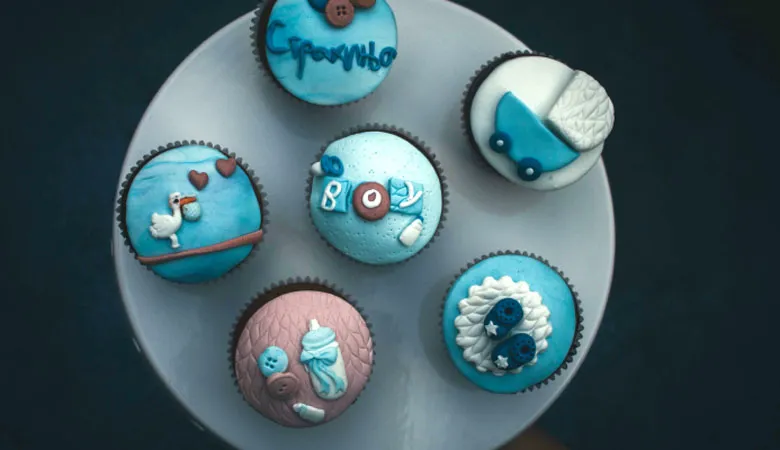
7. Offer a variety of desserts
Desserts are always a good choice for any occasion! We opted to have some classic baby shower cake along with cookies and pops (which my mom offered).
You don’t have to break the bank in order for your dessert table to be cute and affordable! You can get all those things from a grocery store or make them yourself simply by dressing them up with some adorable baby decorations.
8. Decide whether or not you want to serve alcohol
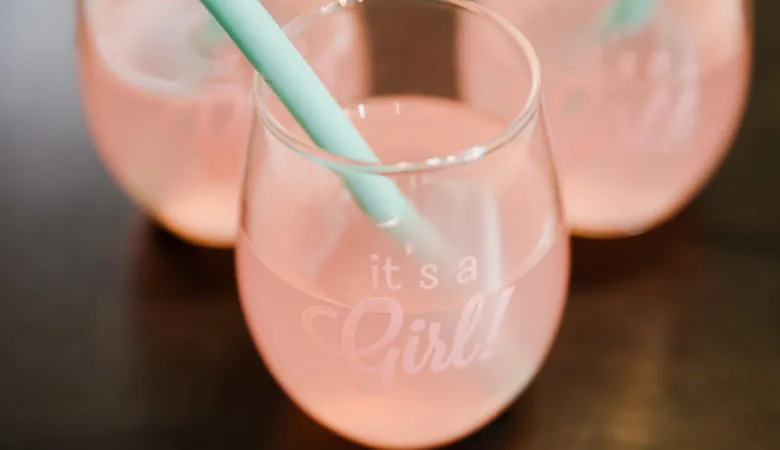
Do you know those friends who sometimes don’t realize when they’re overdoing it? If you have a lot of them, try limiting or passing on the alcohol. But if there’s no chance that guests will get distracted by their drinking habits, then go ahead and serve up some drinks!
With our first baby shower being a bit large, we wanted everyone to focus on celebrating the new arrival. With this coming up again, though, and having smaller numbers than last time around – I probably won’t be able to hold off any longer with holding out alcohol for guests!
9. Don’t forget to have your guests sign in!
You never know what you’ll be like when the time comes, but one thing is certain: remembering this day will make your friends and family feel great. So take them up on their offer to sign in with something creative! Ask everyone who came over as well as those that couldn’t make it – no matter how silly or meaningful-to leave some advice for new parents; draw pictures of baby boomlets together (you’ll want lots because there’s always an extra); laugh at all our missteps along way–these are just memories after all 🙂
10. HANDWRITE your thank you cards together!
Handwritten thank you cards are always more personal and special, but what makes them even cuter is when guests see that dad participates in the gesture by writing his own message on top of mommy’s! I’m pretty sure she will love getting this handmade attention from him.
I know this sounds like a Hallmark moment (or maybe they’re called “shows”?), but think about how much sweeter it would be if your significant other did all their Christmas shopping together-with, with YOU as well!!