
Travel
How to Turn Hair Care Into Fun Travel Activities for Kids: Creative Tips for Parents

Related: Browse more travel guides, Smart Travel Starts with Smart Spending: Discover How Buying a Car at Auction Can Save You Money and How Do Car Rentals Help Save Money on Family Travel?.
Quick answer
Start with the question behind the search: what does this mean for everyday family life, and what should a parent do next? The safest answer is usually a calm, practical plan, not a dramatic one. Use the steps below to make the topic easier to act on today.

What parents should do next
- Check the age or stage you are dealing with, because advice can change quickly between pregnancy, newborn life, toddlerhood and school age.
- Write down what is happening, when it happens and what seems to make it better or worse.
- Use trusted guidance first, especially for health, safety, sleep, feeding, medicines or behaviour worries.
- Make one small change at a time so you can see what is actually helping.
- Ask for professional support if symptoms are severe, persistent, sudden, or do not match your child’s normal pattern.
When to get extra help
If the issue involves pain, breathing, feeding, dehydration, fever in a young baby, bleeding, mental health, injury risk or a sudden change in behaviour, use NHS guidance or speak to a qualified professional rather than relying on internet advice alone.
Common questions
Is this advice a replacement for medical advice?
No. KidsCo guides are written to help parents understand common options and questions, but medical, feeding and safety decisions should be checked with a qualified professional when there is any doubt.
How should I use this guide?
Use it as a starting point, then follow the source links, compare it with your child’s age and situation, and keep a note of anything you want to ask a GP, midwife, health visitor, teacher or childcare provider.
Helpful sources
Related KidsCo guides
Traveling with kids can be a delightful adventure, and integrating hair care into this experience adds an interesting twist. Kids often enjoy creative and playful activities, and these can be cleverly adapted to make hair care fun while on the go. From creating DIY hair masks to playing hair salon, these activities can transform routine grooming into engaging games that fit seamlessly into your travel plans.
Incorporating vibrant hair accessories or themed hairdos can be an exciting way to keep kids entertained and express their budding creativity. This not only encourages them to take part in their hair care but also results in memorable travel photographs. You might even find your children excited to try a new hairstyle each travel day, turning this aspect of your trip into a mini adventure itself.
Travel-friendly products like fun-scented shampoos and leave-in conditioners provide both convenience and enjoyment. By involving kids in selecting these products, you give them agency, making hair care feel less like a chore and more like a part of their travel fun. As you unlock these creative strategies, you’ll see that hair care doesn’t have to pause when you’re on holiday—it can enhance the joy of the journey.
Creative Hair Care Strategies for Travel
Traveling offers unique opportunities to make hair care both fun and educational for kids. By incorporating elements of local culture, experimenting with natural treatments, and weaving storytelling into hairstyling, you can turn routine hair care into an engaging activity.
Incorporating Local Culture
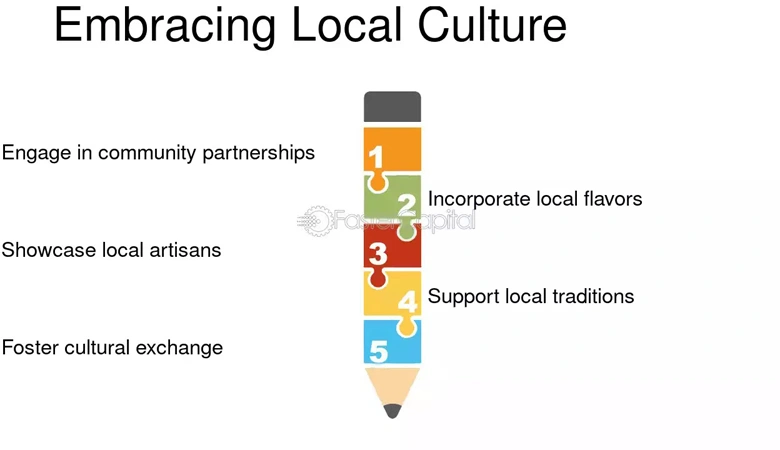
Explore local hair care traditions and styles by visiting markets or local hair salons. You might discover new accessories or tools that are unique to the area. Encourage children to learn simple styles native to the region, like braids or twists that highlight local fashion.
This activity not only enhances cultural appreciation but also broadens their hairstyling repertoire. Use local fabrics or beads to add flair to hairstyles, making the experience both creative and educational. A simple translation app can help you communicate with locals to learn new techniques or tips.
DIY Natural Hair Treatments
Introduce kids to natural hair care by experimenting with locally sourced ingredients. In many places, you can find natural oils and plants that are used for hair treatments. Create a fun session where kids can apply coconut oil for shine, avocado for moisture, or aloe vera for soothing properties.
Crafting these treatments teaches kids about the different benefits and uses of natural ingredients. Make it interactive by letting them mash fruits or mix oils, creating a mini spa-like experience. Always ensure ingredients are safe and do a small test patch to avoid allergies.

Interactive Storytelling and Hairstyling
Combine hair care with storytelling to captivate kids’ imaginations while you style their hair. Create stories featuring characters with adventurous hairstyles that mirror the style you’re about to do. For example, tell a tale of a pirate crew with intricate braids while braiding their hair.
Engaging them in a narrative keeps them entertained and makes hairstyling an adventure rather than a chore. This approach works well with familiar fairy tales, where you can change characters’ hairstyles to match the story arc. Encourage them to bring their story ideas to make it more personalized and interactive.
Travel-Friendly Hair Care Routines
When you’re traveling with kids, maintaining their hair care routine can be a fun activity. Focusing on quick hairstyles and protective techniques ensures they look great while minimizing hair damage.
Quick and Easy Hairstyles
Simple hairstyles keep your child’s hair tidy and reduce morning stress. Styles like ponytails, braids, and buns are practical. They stay intact throughout the day’s activities. Use colorful or themed hair accessories to add an element of fun.
For long road trips or flights, consider styles that are comfortable, like a loose braid. This prevents tangling and allows for easy maintenance. Using a leave-in conditioner before styling can also enhance the hairstyle’s longevity and shine. This makes it easier to refresh the look quickly if needed.
Protective Hair Care Techniques
Protective techniques safeguard your child’s hair from environmental stressors. Before swimming, apply a liberally spread layer of coconut oil. This reduces chlorine absorption. Consider a swim cap for added protection.
Loose styles like a twisted bun or scarf wraps can shield against harsh sunlight. When styling your child’s hair, gentle detangling with a wide-tooth comb minimizes breakage. Encourage your child to help with applying hair masks or conditioning sprays after a day outdoors, turning care time into a bonding experience.
To streamline packing, include products that serve dual purposes, such as detangling sprays with UV protection. Create a routine incorporating these techniques to make hair care enjoyable for travel.
How to make this work in real life
Use this guide as a practical decision tool. A good parent-facing article should help you understand what matters, what does not, and what to do next without sending you into a spiral of tabs and contradictory advice.
Stage-by-stage checks
Think about the age, stage and context before applying any tip. A newborn, a mobile baby, a two-year-old and a school-age child can all need different versions of the same routine.
- Check whether the advice fits your child’s current age and development.
- Look for patterns across several days rather than judging one difficult moment.
- Keep the first action small, specific and easy to repeat.
- Write down questions before appointments so the important ones do not get lost.
- Review the plan when sleep, feeding, childcare or family routines change.
What to do this week
Choose one practical action from the guide and put it somewhere visible: on your phone, on the fridge, in the changing bag or in the nursery handover notes. If it helps, keep it. If it does not help after a fair try, adjust one part rather than changing everything at once.
For families sharing care between parents, grandparents, nurseries or childminders, consistency matters more than perfection. A simple shared note can stop mixed messages and make it easier for your child to understand what is expected.
Questions worth asking
- What is the main problem we are trying to solve?
- Is this urgent, or can we watch and review it?
- What would make this safer, calmer or easier today?
- Who needs to know the plan so the child gets the same message?
- At what point will we ask for professional help?
Useful next reads
Keep reading
- Browse more travel guides
- Smart Travel Starts with Smart Spending: Discover How Buying a Car at Auction Can Save You Money
- How Do Car Rentals Help Save Money on Family Travel?
- American Airlines grounded all U.S. flights on Christmas Eve, disrupting holiday travel…
Keep reading
For more KidsCo family and parenting guides, continue with these related articles.


